
MakingPEDs

Proposal

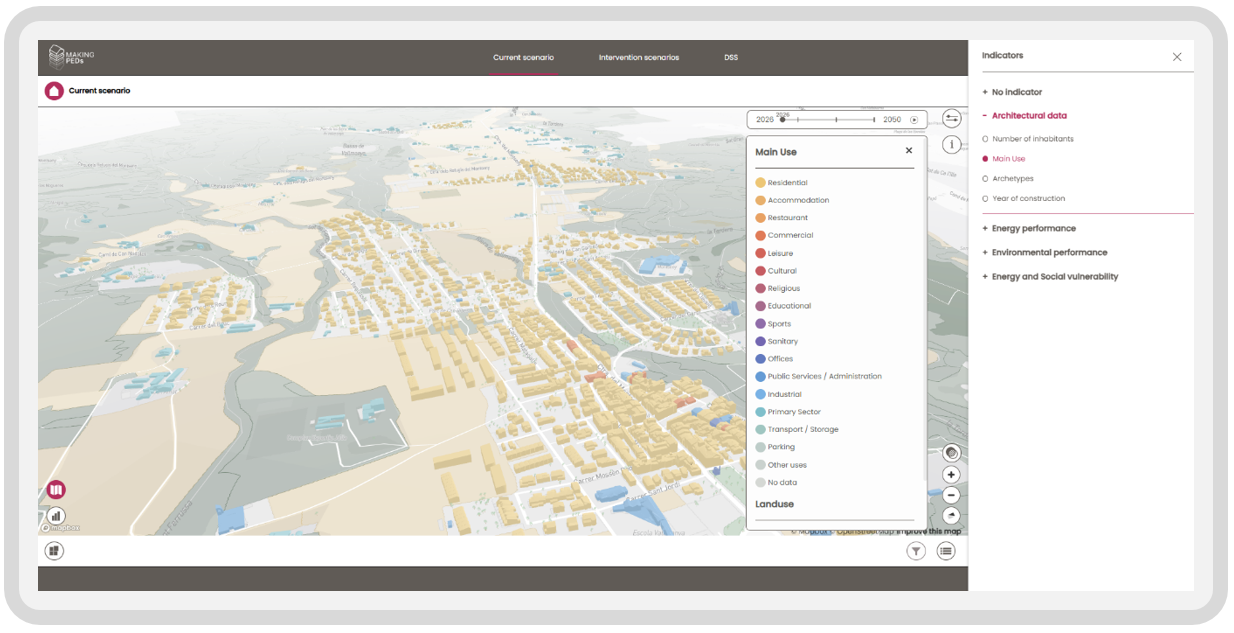
MakingPEDS is a European research and innovation project focused on accelerating the transition of cities towards climate-neutral urban models through the development of Positive Energy Districts (PEDs). The project addresses the current challenges of sustainable urban regeneration, energy efficiency and the decarbonisation of the existing building stock, incorporating advanced digital tools to facilitate planning and decision-making.

The initiative combines Digital Twin technologies, 3D urban models, energy analysis and citizen participation to support integrated and collaborative urban transformation processes. The solutions developed will be validated in four European cities, the Urban Living Labs: Sant Esteve de Palautordera, Civitavecchia, Linz and Bærum.

Objectives

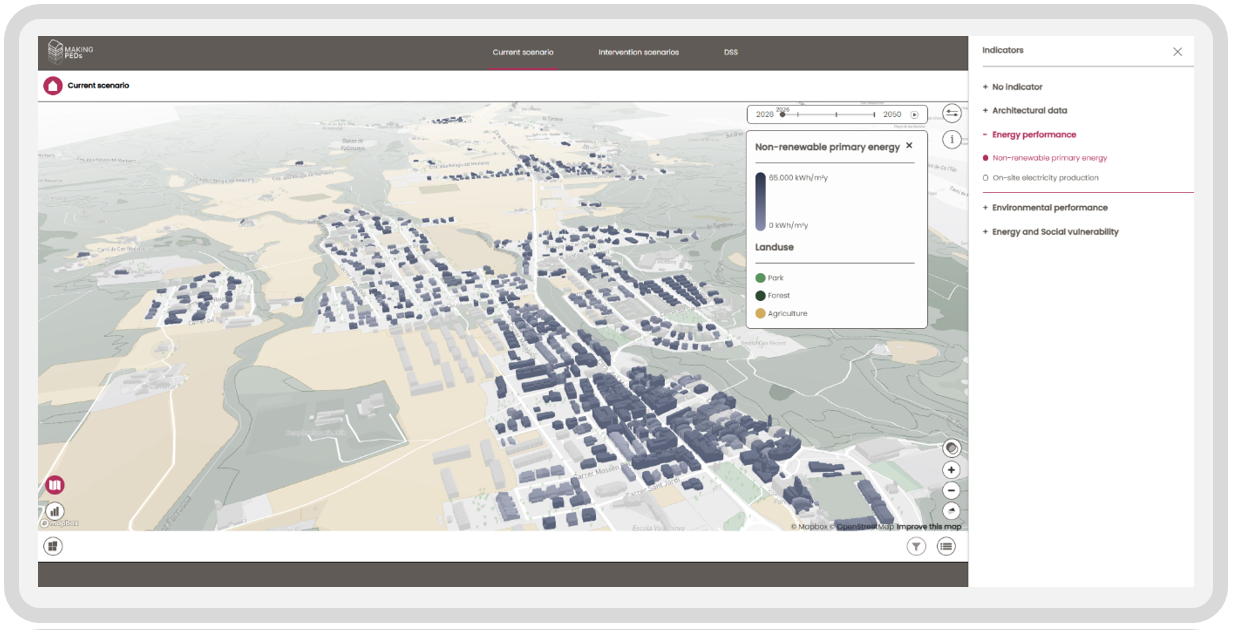
The main objective of MakingPEDS is to develop methodologies and digital tools that enable the design, evaluation and accelerated implementation of climate-neutral Positive Energy Districts in existing urban neighbourhoods. To this end, the project will integrate 3D urban models based on CityGML technology with energy, environmental, economic and social data, creating digital twins capable of supporting sustainable urban regeneration processes.

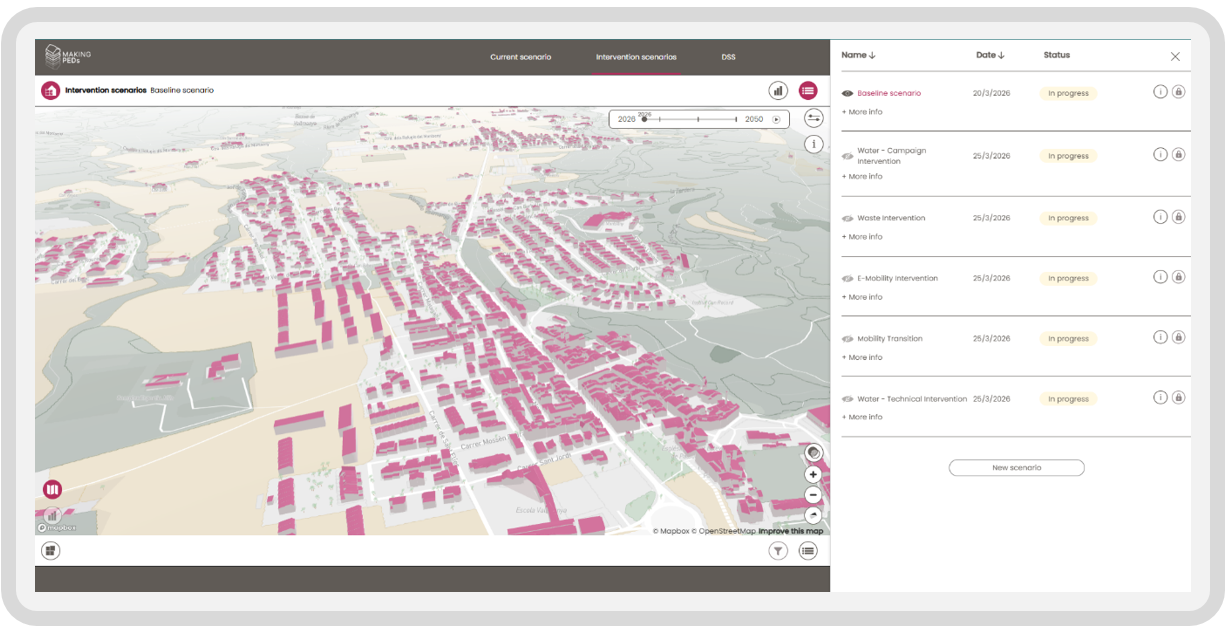
Furthermore, MakingPEDS aims to develop advanced models for energy analysis and carbon footprint assessment at district level, as well as decision-support systems that enable the comparison of different urban transformation scenarios. The project also aims to promote citizen participation and co-creation between public administrations, businesses and citizens through interactive digital platforms, generating replicable methodologies that can be applied in other European cities to accelerate the transition towards climate neutrality.

Expected results

MakingPEDS will create an innovative digital platform to support sustainable urban transformation and the creation of PEDs. The main expected outcomes include:

  • Development of urban digital twins integrated with energy and environmental data.
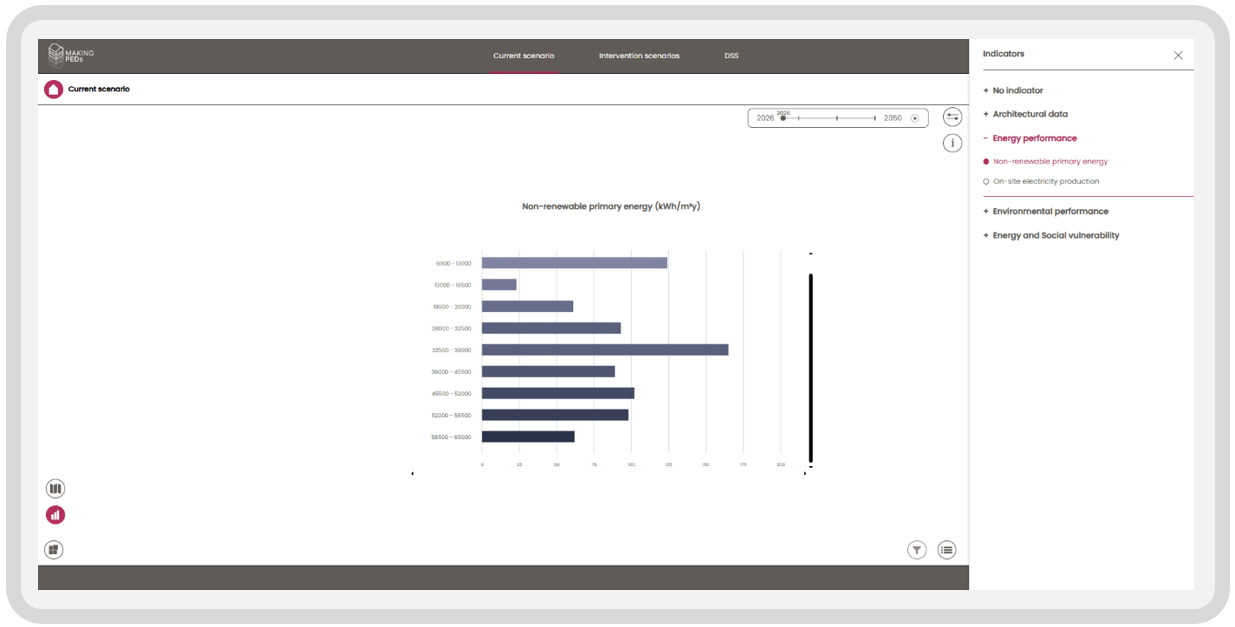
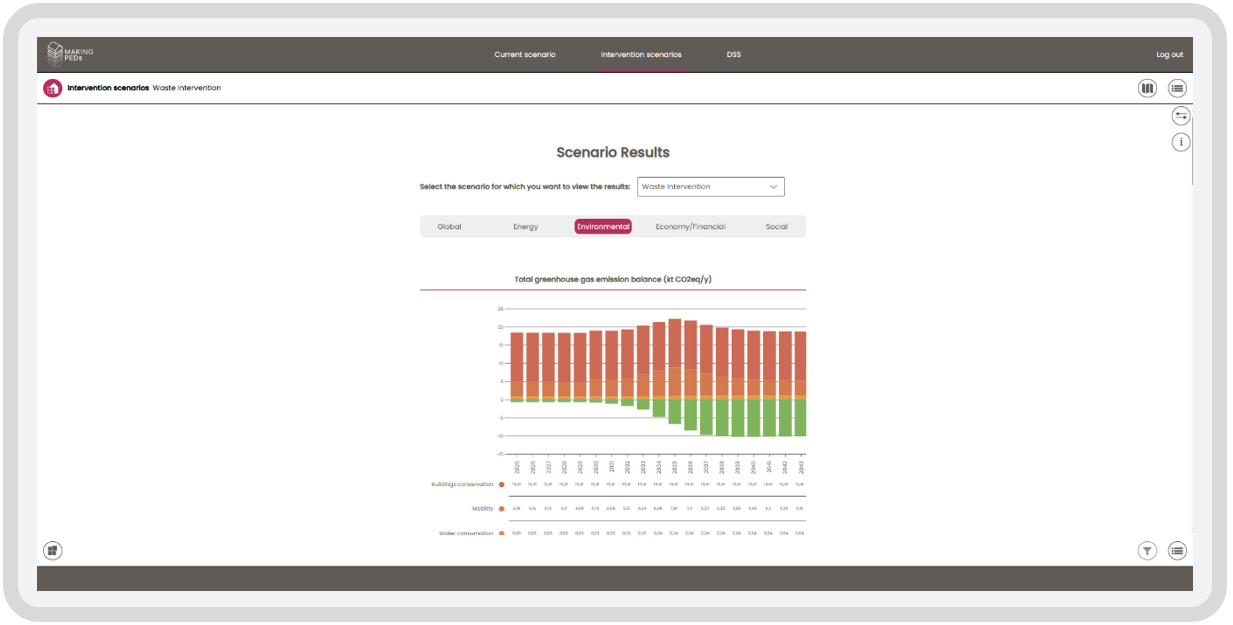
  • Creation of an interactive web platform for the visualisation and analysis of urban scenarios.
  • Tools for assessing emissions, energy consumption and economic impact.
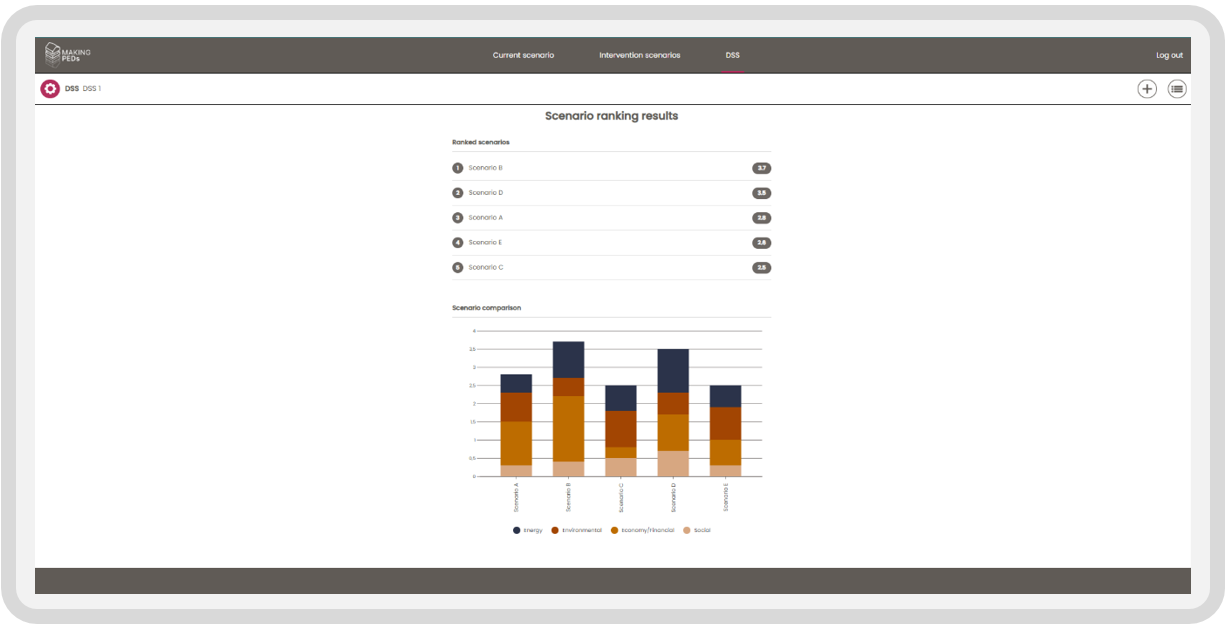
  • Decision-support systems for public administrations and urban stakeholders.
  • Replicable methodologies and guidelines for implementing PEDs in other cities.
  • Improved energy efficiency and significant reduction in emissions in the pilot districts.


The project will also help to strengthen citizen participation, promote new models of urban collaboration and accelerate the transition towards more sustainable, resilient and inclusive cities.

Authorship

IREC - URBAN FUTURE - AIT - BAERUM - CICLICA - ATER CIVITAVECCHIA - NTNU - LINZ - R2M - SANT ESTEVE DE PALAUTORDERA - ROMATRE

Funding

This project has been funded by the European Union’s Driving Urban Transitions (DUT) Research and Innovation programme and subsidised by the CDTI.

Year of the project

2023 - 2026

Link

https://www.making-peds.eu/

Date

19 de May de 2026

Category

Highlights, Urban Building Energy Models