





Cíclica [ SPACE · COMMUNITY · ECOLOGY ]
Cíclica works towards environmental balance and social equity by systemically integrating three domains: architecture, community and environment. Bringing these three together is essential to respond to today’s challenges: climate change, the resource crisis, energy poverty and social exclusion in cities.
Drawing on more than ten years of applied research and work with public administrations, from the building to the territory, Cíclica develops knowledge, strategies, hands-on support and digital tools to accelerate the transformation of the building stock.
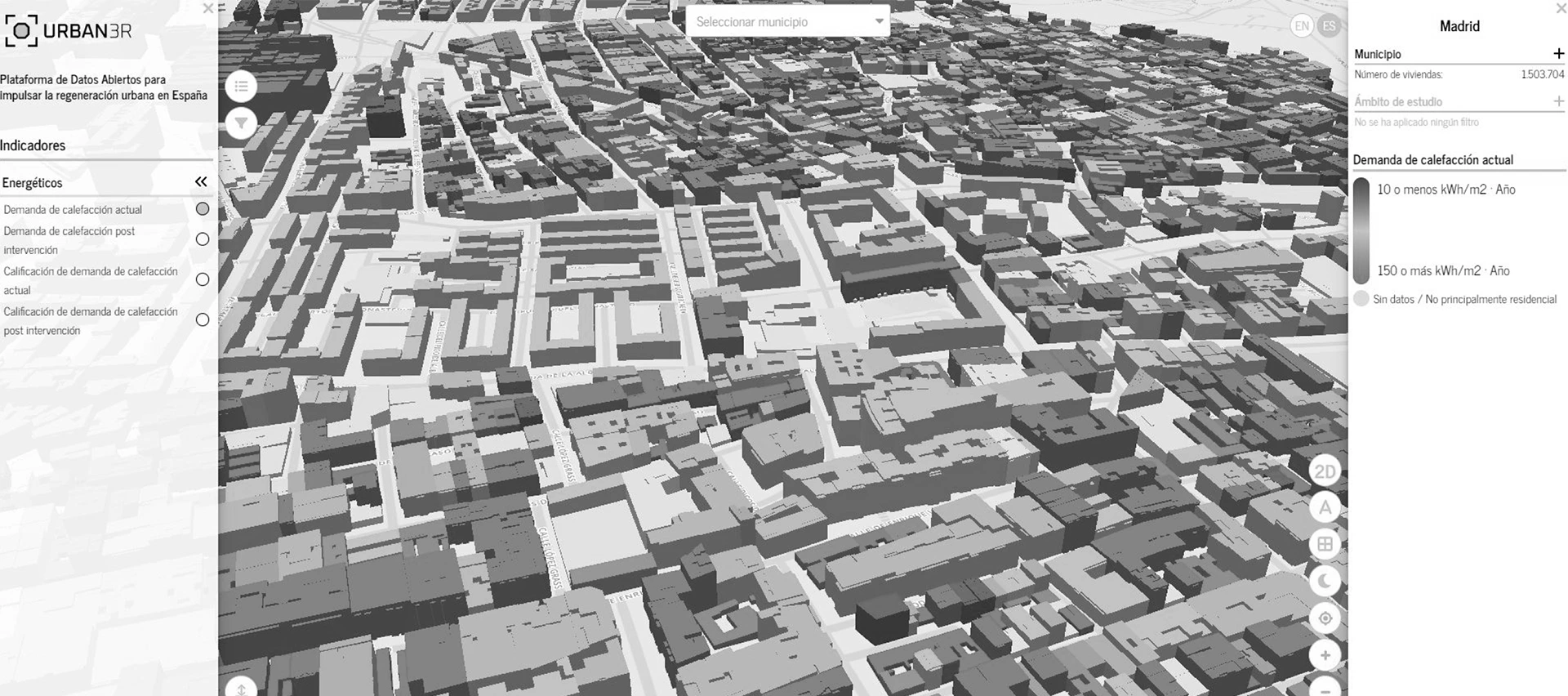
From this work comes MATRIU · Housing Intelligence, the digital platform that helps understand the residential stock, plan its renovation and put it into action: matriu.io
The services we offer

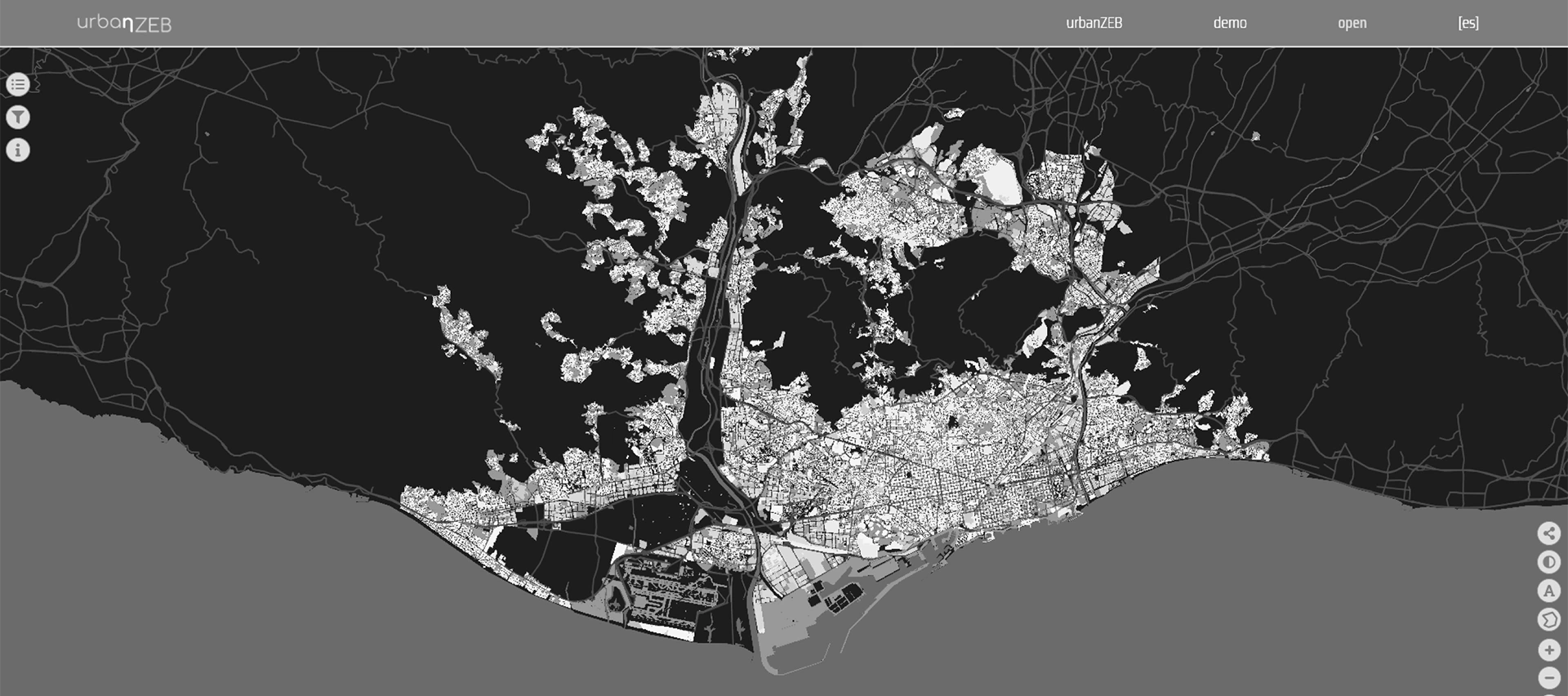
Urban Building Energy Model (UBEM)
Built environment renovation planning

Digital logbook and
building passport
Digitization and step-by-step renovation of the building

Energy
cultures
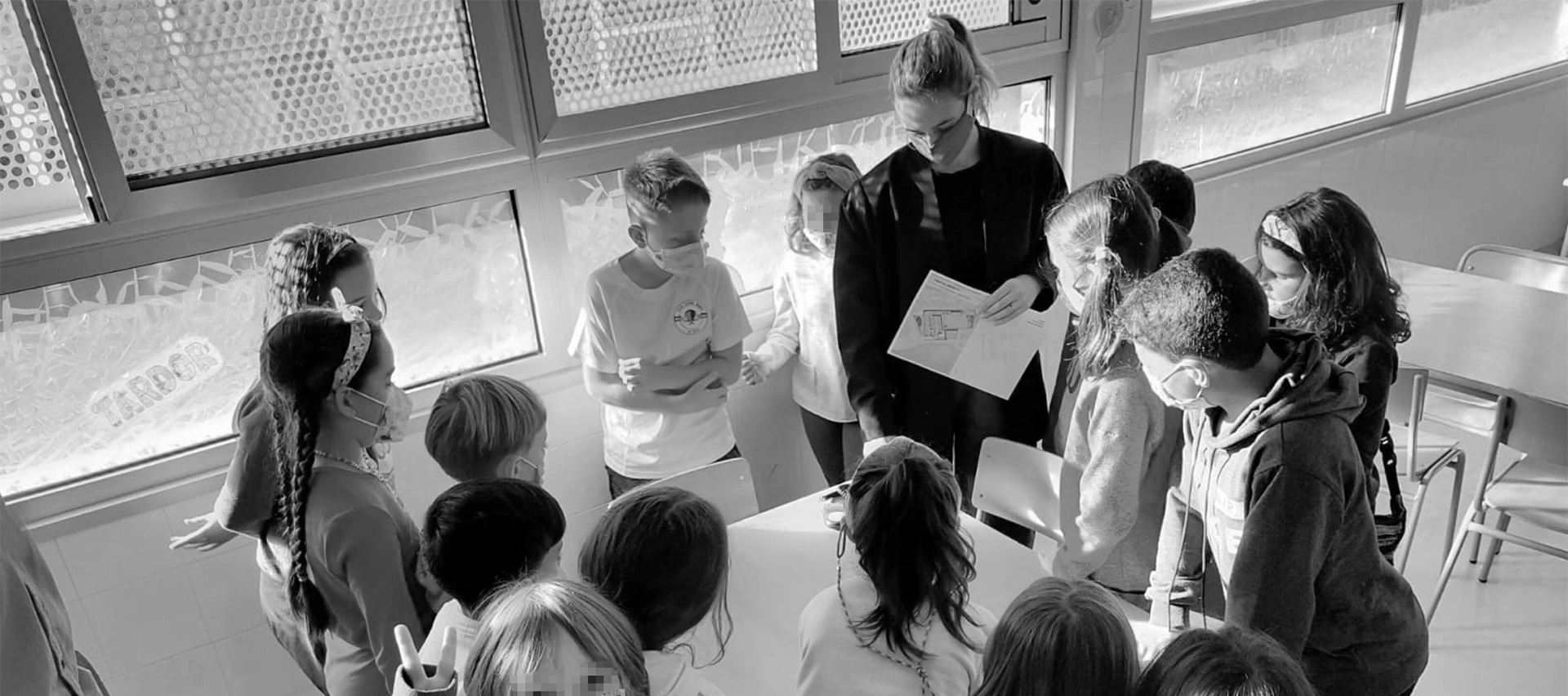
Education, awareness, and citizen engagement

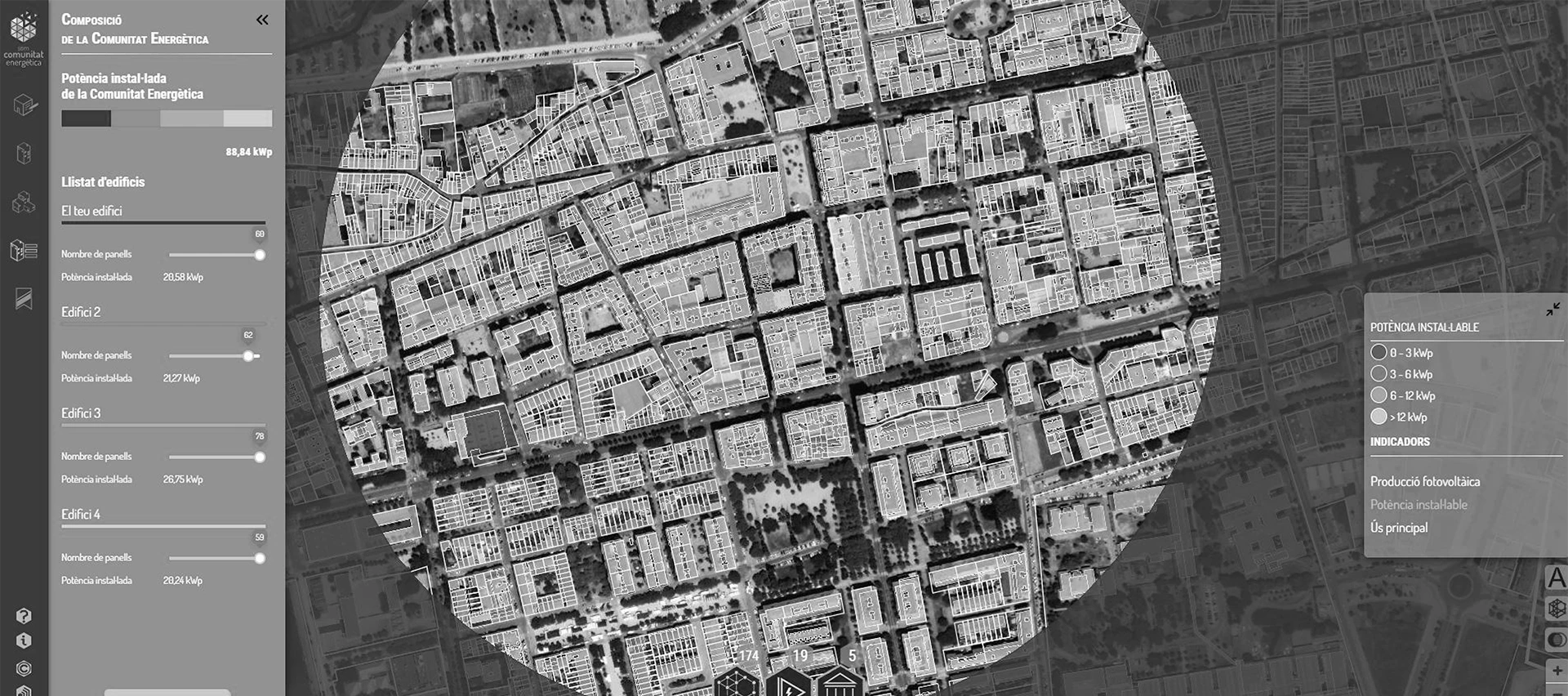
Local energy communities
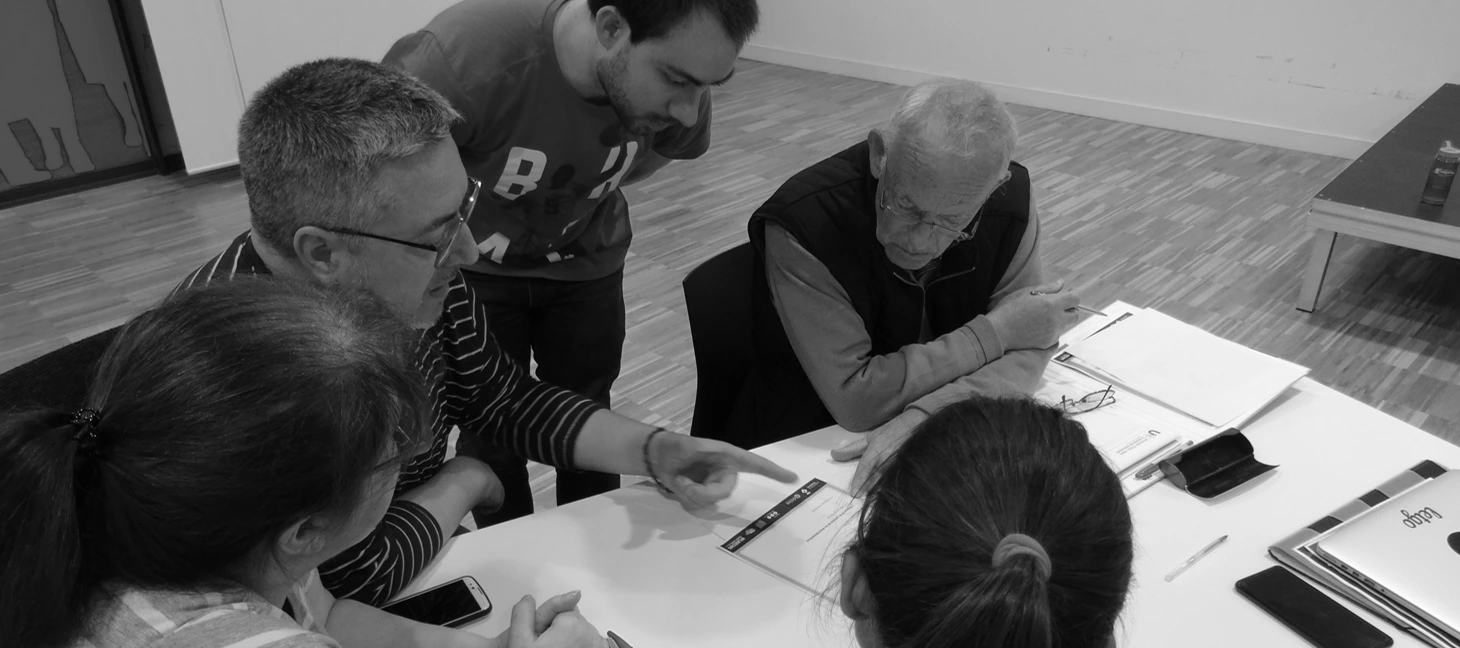
Facilitation and support for community initiatives

Territory
and landscape
Landscape strategies and public space
Research and innovation
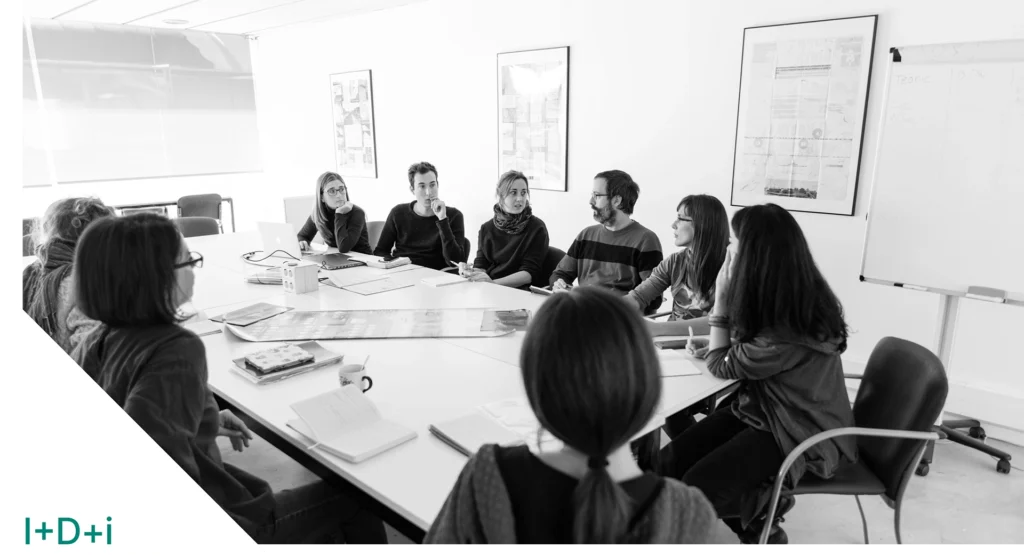
Research and innovation projects that combine the technological and social dimension in the field of energy transition. Participation in competitive calls for European, national and regional funding to promote technology and knowledge transfer to society. Development of own methodologies and tools for applied innovation aimed at transforming the building sector and responding to society’s growing demand for sustainability.
-
The cooperative’s services take the form of plans and strategies; consulting; building, public space and landscape projects, citizen participation and community support; teaching and curatorship.
– Zadie Robins
-
The main activity of the cooperative is focused on research, development and innovation (I+D+i) and in the transfer of this new knowledge, methodologies and tools to society, the business fabric, the social and solidarity economy, the public administration and the academic environment, with the aim of democratize information making it accessible to all audiences.
– John Smith
-
The cooperative’s approach is based on trans-scalar understanding -from the territory and cities to the building-, on the consideration of all environmental vectors -energy, water, organic matter, materials, pollutant emissions, etc.- and with citizen and community involvement in decision-making.
– Anaïs Bas